

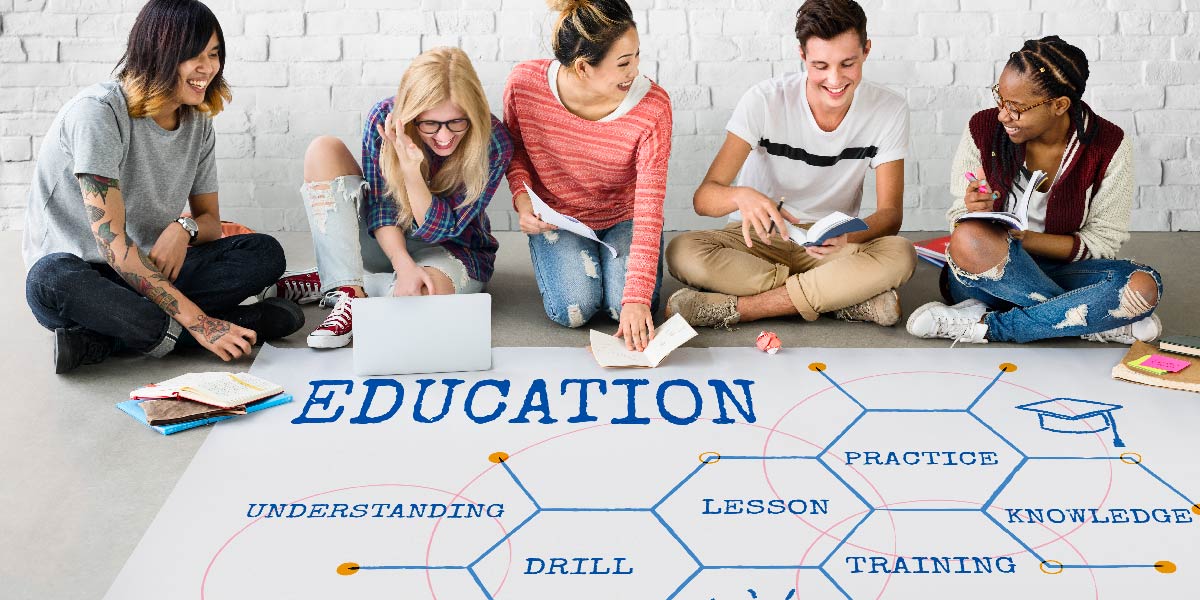
Assimilasjon is a learning and adaptation process in psychology and culture where individuals understand new experiences by linking them with what they already know. It helps people make sense of new situations without changing their existing knowledge structure. Assimilasjon is the process of adding new information into existing mental structures to make understanding easier.
Introduction
Assimilasjon is more important today than ever before because the world is becoming more connected through globalization, migration, and digital learning. People are constantly exposed to new cultures, ideas, and ways of living. Whether someone is moving to a new country, learning online, or working in a diverse environment, assimilasjon helps them adapt smoothly and understand unfamiliar situations using what they already know.
Many people search for the meaning of assimilasjon because they want simple explanations, real-life examples, and a clear understanding of how it works in psychology and culture. In education systems, assimilation helps students connect new lessons with previous knowledge, making learning easier and more effective. In society, it supports cultural adaptation and helps individuals adjust to new environments without feeling lost.
Social change is happening very fast, and people need a way to stay stable while still growing. Assimilasjon provides that balance by allowing individuals to learn without completely changing who they are. It builds confidence and reduces confusion when facing new experiences. In this article, you will learn the meaning of assimilasjon, its origin, its role in psychology and education, and how it affects daily life and modern society.
Assimilasjon Definisjon
Assimilasjon definisjon means understanding new information by connecting it to what you already know. It is a simple and natural process that happens in the mind every day. Instead of learning something completely new from the beginning, your brain uses existing knowledge to make sense of new ideas or experiences.
This makes learning faster and easier because it builds on familiar concepts. For example, if a child already knows what a “bird” is and then sees a new type of bird, they will still recognize it as a bird. The new information fits into their existing understanding without needing major changes.
Assimilasjon helps reduce confusion and allows people to learn in a smooth and comfortable way. It also supports memory because information connected to existing knowledge is easier to remember. In simple words, assimilation is like adding new pieces to a puzzle you have already started, rather than starting a completely new puzzle every time you learn something new.
Origin and Meaning of the Word Assimilasjon
The word assimilasjon comes from the Latin word “assimilare,” which means “to make similar.” This origin clearly explains the main idea behind the concept. Assimilasjon is about making new information similar to what we already understand, so it becomes easier to process and remember.
Over time, the meaning of assimilasjon has developed and expanded across different fields. In psychology, it is used to explain how the brain processes new information. In education, it describes how students connect new lessons to their previous knowledge. In cultural contexts, it refers to how individuals adapt to new societies by learning their customs, language, and values.
As societies became more complex, the concept of assimilasjon grew beyond its original meaning. It is now used to describe both mental processes and social adaptation. Today, assimilasjon is a key idea in understanding how people learn, grow, and adjust in a changing world.
Historical Background of Assimilasjon
The concept of assimilasjon has deep roots in philosophy and education, but it became widely known through the work of Jean Piaget. Early thinkers believed that learning involved connecting new ideas with existing knowledge, but Piaget developed this idea into a clear scientific theory of cognitive development.
Piaget explained that children do not simply absorb information; they actively build knowledge by interacting with their environment. Assimilasjon became one of the core processes in his theory, helping explain how children understand new experiences without changing their existing mental structures.
Over time, the concept of assimilasjon expanded beyond psychology into education and social sciences. It began to describe not only how individuals learn but also how they adapt to new cultures and environments. Today, assimilasjon is used in many fields, including education, sociology, and communication, making it a fundamental concept in understanding human behavior and development.
Read More Article At: Tapper Magazine
Assimilasjon in Cognitive Development
In cognitive development, assimilasjon plays a key role in how the brain processes new information. When people encounter something new, they try to understand it using what they already know. This allows the brain to work efficiently without needing to create entirely new mental structures every time.
For example, a child who understands the concept of a “dog” will recognize different breeds as dogs, even if they look different. The child uses existing knowledge to understand new experiences. This is assimilation in action.
This process helps the brain save time and energy. Instead of starting from zero, the brain builds on existing knowledge, making learning faster and more effective. Assimilasjon also supports problem-solving because it allows individuals to apply past experiences to new situations.
Without assimilasjon, learning would be slow and difficult because every new experience would require complete rethinking. This makes assimilation an essential part of mental development and everyday thinking.
Assimilasjon Piaget Theory Explained
According to Jean Piaget, assimilasjon is one of the main ways children learn about the world. Piaget believed that children use mental structures called schemas to organize information. These schemas help them understand and interpret new experiences.
When a child encounters something new, they try to fit it into an existing schema. For example, if a child has a schema for “birds,” they will include new types of birds within that same category. This is assimilasjon because the new information fits into what they already know.
Piaget emphasized that learning is an active process. Children learn by interacting with their environment, asking questions, and exploring new ideas. Assimilasjon helps maintain stability in this process by allowing children to understand new experiences without confusion.
This theory shows that learning is not just about memorizing facts. It is about building understanding step by step, using existing knowledge as a foundation.
Assimilasjon og Akkomodasjon – Key Differences
Assimilasjon and accommodation are two important processes that work together in learning. Assimilation happens when new information fits into existing knowledge, while accommodation happens when existing knowledge must change to understand something new.
In simple terms, assimilasjon keeps things the same, while akkomodasjon creates change. For example, a child may believe that all four-legged animals are dogs. When they see a cat, they may first call it a dog, which is assimilation. But when they learn that a cat is different, they must change their understanding. This change is akkomodasjon.
Both processes are necessary for learning. Assimilation helps people feel comfortable and confident because they can rely on what they already know. Akkomodasjon helps them grow by adjusting their understanding when needed.
Together, these processes create balance. Without assimilasjon, learning would feel unstable. Without accommodation, people would not learn anything new. This balance allows individuals to adapt and grow in a natural and effective way.
Role of Assimilasjon in Education
Assimilasjon plays a major role in education by helping students understand new information more easily. Teachers often use examples and familiar ideas to explain new topics so that students can connect them with what they already know.
When students relate new lessons to previous knowledge, learning becomes more meaningful and easier to remember. For example, a teacher may explain a complex idea by comparing it to something simple that students already understand. This approach supports assimilation.
Educational methods such as step-by-step learning, storytelling, and real-life examples all encourage assimilation. These methods reduce confusion and help students build confidence in their learning process.
Assimilasjon also supports long-term memory because information connected to existing knowledge is easier to recall. This makes it an essential part of effective teaching and successful learning.
Assimilasjon in Language Learning
Assimilasjon is very important in language learning because learners often use their native language to understand a new language. They compare words, grammar, and sounds with what they already know, which helps them learn faster.
In the early stages, this process builds confidence because learners can quickly understand basic ideas. However, as they learn more, they may need to adjust their understanding, which involves akkomodasjon.
Assimilasjon allows learners to start speaking and understanding a new language without feeling overwhelmed. It creates a strong foundation that can be improved over time.
This process makes language learning more natural and less stressful, helping individuals communicate more effectively in new environments.
Social and Cultural Assimilation
Social and cultural assimilasjon refers to how individuals adapt to a new culture by learning its customs, language, and values. This process is common among immigrants who move to a new country and try to fit into society.
As people adapt, they may change certain habits, learn new traditions, and adopt new ways of communication. This helps them connect with others and feel part of the community. However, it is important to balance assimilation with personal identity.
Cultural blending often occurs when people mix their original culture with a new one. This creates diversity and enriches society. While assimilation can improve social connections, it may also create challenges if individuals feel pressure to lose their original identity.
A healthy approach to assimilasjon allows people to adapt while still respecting their cultural roots.
Types of Assimilasjon
Assimilasjon can take different forms depending on the situation.
Cultural Assimilasjon involves adopting traditions, customs, and social behaviors of a new culture. For example, celebrating local festivals or following social norms.
Language Assimilasjon occurs when individuals learn and use the main language of a society to communicate effectively.
Social Assimilasjon refers to joining social groups, schools, or workplaces and building relationships within the community.
Psychological Assimilasjon happens when individuals feel emotionally connected to a new culture and develop a sense of belonging.
Each type of assimilation helps individuals adapt in different ways, making it easier to live and interact in new environments.
Assimilasjon in Daily Life
Assimilasjon is part of everyday life. People use it when they start a new job, learn new technology, or enter new social situations. They rely on past experiences to understand what to do and how to behave.
For example, when using a new mobile app, people often understand its functions because they are similar to apps they have used before. This is assimilation, helping them adapt quickly.
This process makes life easier because it reduces uncertainty and helps people feel more comfortable in new situations. It shows how natural and important assimilasjon is in daily life.
Psychological Benefits of Assimilasjon
Assimilasjon provides many psychological benefits. It helps individuals feel confident because they can understand new situations using familiar knowledge. This reduces stress and makes learning more enjoyable.
It also improves decision-making because people can apply past experiences to new challenges. This creates a sense of stability and control.
By reducing confusion and uncertainty, assimilation supports mental well-being and encourages continuous learning.
Limitations of Assimilasjon
While assimilasjon is helpful, it also has limitations. Relying too much on existing knowledge can lead to misunderstandings if new information does not fit properly.
People may resist changing their beliefs, which can limit growth. This is why flexibility is important. Learning requires both stability and change.
Assimilasjon alone is not enough. It must be balanced with akkomodasjon to ensure accurate understanding and personal development.
Importance of Balance Between Assimilasjon and Akkomodasjon
Jean Piaget highlighted that learning works best when there is a balance between assimilasjon and akkomodasjon. This balance is called equilibrium, where the mind stays stable while still being open to change.
Assimilasjon helps maintain stability by allowing individuals to understand new information using what they already know. In contrast, akkomodasjon supports growth by adjusting existing knowledge when something new does not fit. When both processes work together, learning becomes deeper, clearer, and more effective.
If this balance is missing, problems can occur. A person may either refuse to accept new ideas or feel confused by too much change. Maintaining a balance ensures that learning feels both comfortable and progressive, helping individuals grow without losing their sense of understanding.
Assimilasjon vs Integration vs Multiculturalism
Assimilasjon refers to the process of becoming more similar to a dominant culture by adopting its behaviors, language, and social norms. Integration, on the other hand, allows individuals to become part of society while still keeping important parts of their original identity. Multiculturalism supports a society where multiple cultures exist together and are respected equally.
Each of these approaches offers different benefits. Assimilasjon can create unity and shared understanding, integration helps maintain personal identity while building connections, and multiculturalism promotes diversity and mutual respect. Knowing the differences between these concepts helps societies create environments that are both inclusive and supportive.
Assimilation in Modern Society
In today’s fast-moving world, assimilasjon plays an important role in helping people adjust to new technologies, global connections, and digital communication. It allows individuals to learn new skills and adapt to modern environments without feeling overwhelmed.
In workplaces, people quickly learn new systems and organizational cultures by relating them to past experiences. In digital education, learners connect new information with what they already understand, making online learning more effective. Assimilasjon supports flexibility and helps individuals stay confident in a constantly changing world.
Read More Article At: Tumbons Guide
Real-Life Examples of Assimilasjon
Assimilasjon can be seen in everyday life across different situations. For example, immigrants often learn new languages and follow local customs to become part of a new society. Students regularly connect new subjects with what they already know to understand lessons better.
Cultural blending is another clear example, where food, music, and fashion from different backgrounds come together. These real-life situations show how assimilasjon helps people adjust, communicate, and grow in new environments while building meaningful connections.
Future of Assimilation in a Global World
The future of assimilasjon will continue to evolve as the world becomes more connected through technology and global interaction. As people from different cultures meet and share ideas, new blended identities and lifestyles will develop.
Assimilasjon will remain important because it helps individuals adapt while still keeping their personal identity. It will support people in managing change, learning new skills, and living in diverse environments. In the future, this process will play a key role in creating a more connected and understanding global society.
Conclusion
Assimilasjon is an essential process that supports learning, adaptation, and personal growth. It allows individuals to understand new experiences by connecting them with existing knowledge, making learning smoother and more effective.
From psychological development to cultural interaction, assimilasjon plays a major role in shaping how people grow and adjust in different situations. By supporting both stability and change, it helps individuals move forward with confidence in an ever-changing world.



Discussion about this post